

Mobile browsing can be convenient when you want to check casino information, compare available options or manage an account without installing an app. For Canadian readers researching betya casino no deposit information, the important question is not simply whether a site opens on a phone. It is whether the browser experience is clear, secure, usable on a smaller screen and transparent about what works on mobile. The following guide focuses on practical browsing decisions rather than presenting a general casino review.
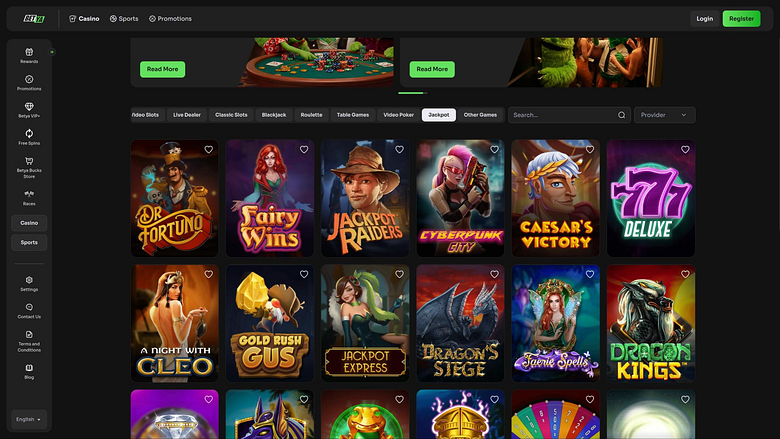
What the mobile browser experience is designed to handle
The service is described as a responsive, browser-based platform for current iOS and Android phones and tablets. That means the layout is intended to adjust to different screen sizes rather than requiring a separate desktop-only interface. A mobile browser can be used for registration, login, account controls, casino browsing, sportsbook access, deposits, withdrawals and live dealer content, subject to the account and jurisdictional conditions that apply.
Responsive design matters because a page that merely loads on a phone may still be difficult to use. Menus should remain readable, buttons should be large enough to tap accurately and important account information should not be hidden behind excessive scrolling. A useful mobile session should allow readers to move between the lobby, account area and support options without repeatedly zooming in or losing their place.
Live dealer streams and other media-heavy content can place greater demands on a phone than ordinary text pages. Performance may vary according to the device, browser, operating system, network and available data allowance. A stable Wi-Fi connection may be preferable for longer sessions, while users relying on mobile data should watch consumption and battery use. These are practical limitations of mobile browsing, not evidence that every device will perform identically.
How to browse safely on a smaller screen

Before entering personal details, check that the address bar shows the expected domain and that the browser connection is secure. Avoid following links from unsolicited messages, adverts or unfamiliar social-media accounts when a direct search or saved bookmark is available. A convincing mobile layout does not, by itself, prove that a page is genuine, so the address should be checked whenever a new tab opens.
Phone browsers also make it easy to overlook privacy and security details. Use a unique password that is not shared with email, banking or other important services, and avoid saving credentials on a shared device. Screen locks, current operating-system updates and reputable browser updates provide useful protection. The Canadian Centre for Cyber Security offers broader guidance on protecting accounts and devices online.
Public Wi-Fi deserves additional caution, especially when entering identity, payment or account information. If the connection is unfamiliar, postpone sensitive actions until using a trusted network. Do not install an application or browser extension merely because a pop-up claims it is required for mobile access. The available material identifies browser access rather than a dedicated native casino application, so an unexpected installation request should be treated carefully.
Why the absence of a dedicated app matters
No dedicated native iOS or Android application is identified in the available information. Instead, the mobile experience is described as operating through a browser. This distinction is useful because an app and a responsive website have different maintenance, permission and update requirements. Browser access avoids adding another application to a phone, but it also means the experience depends more directly on the chosen browser and device settings.
A native app may offer features such as push notifications, device-specific navigation or a more integrated interface. A browser-based service may be simpler for people who do not want additional downloads or who use different devices. The trade-off is that users may need to open the browser manually, sign in again after clearing data and manage tabs more carefully. Those differences should be considered before assuming that a mobile website will behave like an installed app.
Be particularly cautious with unofficial app files, imitation listings and download prompts. The source material does not establish that an official mobile application is available, so readers should not assume that an APK, configuration profile or third-party download is authorised. If an app is later offered, verify its source, permissions and privacy information through the operator’s stated channels before installation. Until then, the browser should be regarded as the supported mobile route described here.
Which phone settings improve everyday usability?
A few simple settings can make browsing more comfortable. Increase text size only as much as needed, keep the browser in a current version and enable automatic updates for the phone where practical. Landscape orientation may help with games or live video, while portrait mode can be easier for account menus. Reducing unnecessary notifications can also make it less tempting to respond to promotional messages without first checking their terms.
Browser privacy settings should be balanced with functionality. Aggressive tracking protection, blocked cookies or disabled pop-ups can occasionally interfere with sign-in flows or account pages, although users should not weaken security broadly just to make a page work. If a feature fails, first try refreshing, closing duplicate tabs, clearing a site’s data or using a mainstream updated browser. Do not disable device security controls or enter information into a page that produces unexplained warnings.
Accessibility is another practical consideration. Voice control, screen magnification, high-contrast settings and larger touch targets can help users navigate a compact display. If a menu is difficult to operate, the problem may be the phone’s browser settings, the device’s screen size or the site’s layout. Trying another current browser or a tablet can help identify the cause, but readers should not treat smooth navigation as confirmation of licensing, eligibility or promotional availability.
When should mobile browsing be paused?
Pause before continuing if the page requests information that seems unrelated to the action being taken, if account details change unexpectedly or if a payment screen displays unfamiliar instructions. Mobile screens can conceal full terms behind expandable panels, so read the relevant conditions before accepting an offer or submitting a request. Promotions, eligibility, expiry dates and wagering requirements may vary and should be checked in the operator’s current terms rather than inferred from advertising.
It is also sensible to stop when tired, distracted or using a phone in a situation where attention is divided. The convenience of a browser means access can be available almost anywhere, but convenience is not a reason to continue. Account controls described in the source material include deposit limits, cooling-off periods, time-outs, self-exclusion, wager and loss limits and account closure. Users who need a break should consider those controls before the situation becomes difficult to manage.
Technical problems are another reason to wait rather than repeat an action. If a page freezes during a transaction, avoid submitting the same request repeatedly. Record the time, check the account history when safe to do so and contact support through the stated channel if clarification is needed. Keep copies of relevant messages and confirmations. Mobile browsing should make information easier to reach, not encourage rushed decisions or duplicate actions.
Mobile browsing questions readers often ask
Is a dedicated mobile app required?
No. The available material describes responsive browser access on current iOS and Android phones and tablets, including account management, casino content, sportsbook functions and live dealer streams. It does not identify a dedicated native application, so readers should avoid assuming that unofficial downloads are approved or necessary.
Can mobile access guarantee the same performance on every device?
No. Results can differ with the phone or tablet, operating system, browser version, screen size, network quality, battery condition and available data. A page opening successfully does not guarantee that live video, menus or payment screens will perform identically across all devices.
What should I do if a mobile page looks suspicious?
Stop before entering credentials or payment details. Check the web address, close unexpected pop-ups and avoid installing files or extensions. Use a trusted connection and contact support through the operator’s published channel if needed. Never rely on a copied page, unsolicited message or unverified download for account access.
